
Industrial License in Dubai

To legally operate an industrial business, getting your industrial license in Dubai is mandatory. This license is essential for any enterprise involved in the production, manufacturing, or processing of natural resources into finished goods.
Whether you are planning to set up a factory for food production, textile manufacturing, or metal casting, securing the right industrial license is the first step. Next, we will delve into the specifics of what an industrial license entails and how you can go about obtaining one.
Business Setup
Company Formation
Bank Account Opening
Visa Services
Which Business Setups Need an Industrial License in Dubai?

Investors Manufacturing and Production
Businesses involved in the manufacturing and industrial production of goods on a large scale must obtain an industrial license. This includes factories producing textiles, electronics, automotive parts, machinery, and consumer goods. These businesses transform raw materials into finished products through various processes such as assembly, fabrication, and packaging.

Food and Beverage Production
Companies engaged in the production, processing, and packaging of food and beverages need an industrial license. This includes bakeries, confectioneries, dairy products, meat processing plants, and beverage manufacturers. Ensuring compliance with health and safety standards is crucial in this sector.

Textile and Apparel Manufacturing
Businesses involved in textile manufacturing, including spinning, weaving, dyeing, and garment production, require an industrial license. This also covers the production of home textiles, such as carpets and upholstery fabrics.

Pharmaceuticals and Medical Equipment
Companies that manufacture pharmaceuticals, medical devices, and related products must obtain an industrial license. This includes the production of medicines, surgical instruments, and health-related products. Compliance with health regulations and quality standards is essential in this sector.
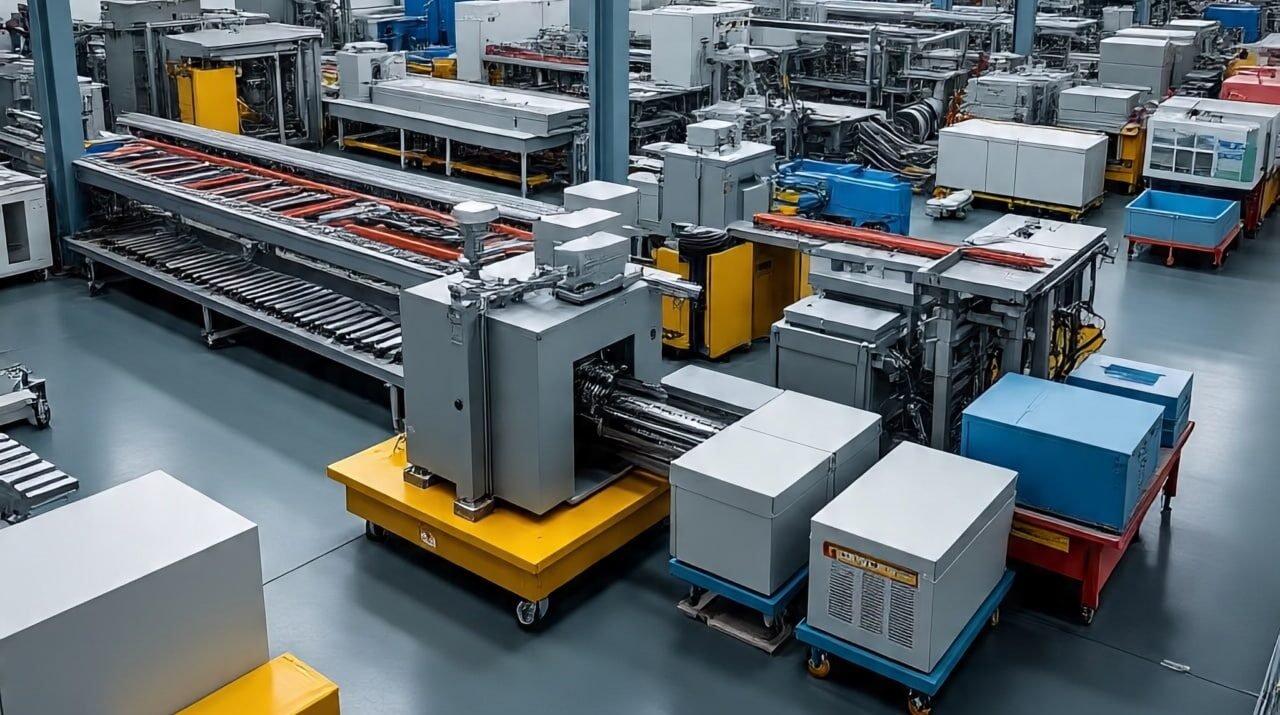
Plastic and Rubber Products Manufacturing
Businesses engaged in the production of plastic and rubber products, including packaging materials, containers, and industrial components, require an industrial license. These activities often involve complex manufacturing processes and quality control measures.

Automotive and Aerospace Industries
Companies involved in the manufacturing of automotive parts, vehicles, and aerospace components need an industrial license. This includes assembly plants, parts suppliers, and maintenance facilities for vehicles and aircraft.

Electronics and Electrical Equipment
Manufacturers of electronic devices, electrical equipment, and related components must obtain an industrial license. This sector includes the production of consumer electronics, industrial electronics, and electrical machinery.
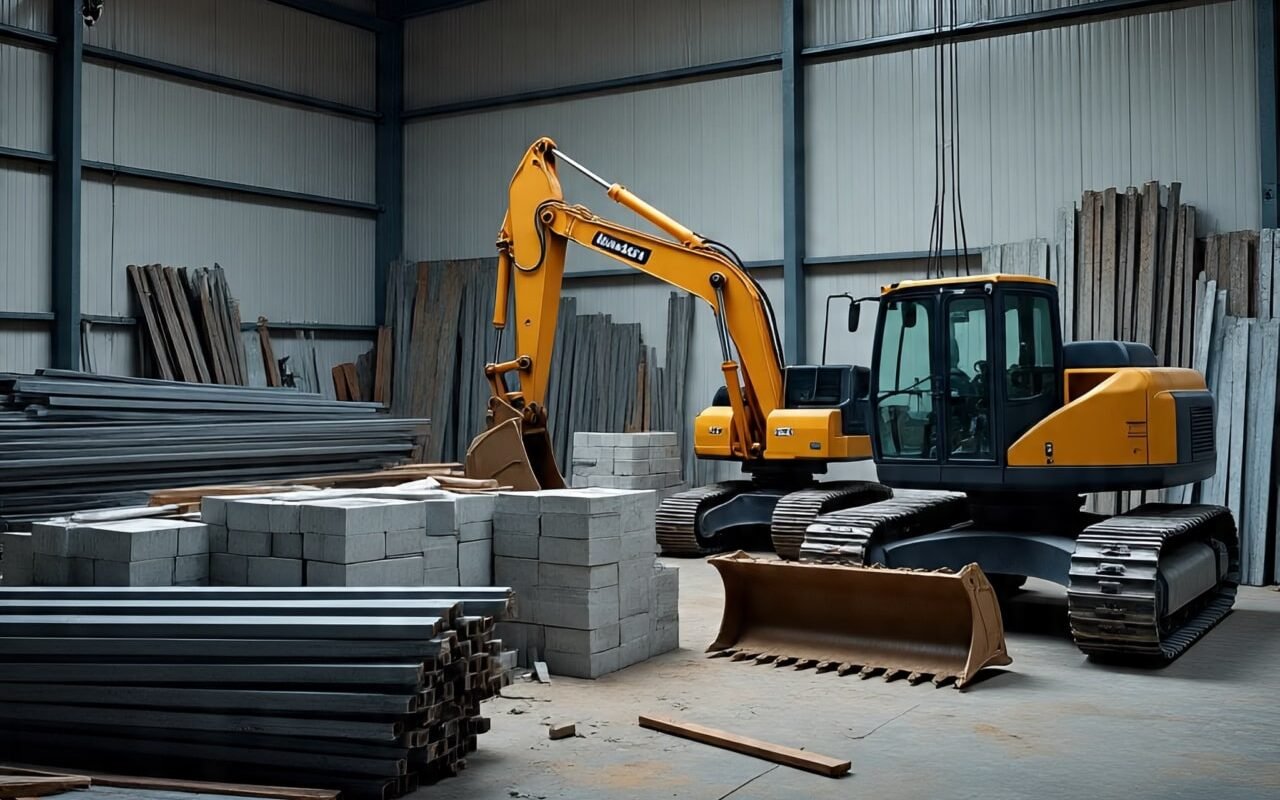
Construction Materials and Equipment
Industries producing construction materials such as cement, steel, glass, and building equipment require an industrial license. These businesses supply essential materials for the construction and infrastructure sectors.
Environmental and Recycling Industries
Companies involved in waste management, recycling, and the production of eco-friendly products need an industrial license. This sector focuses on sustainable practices and the transformation of waste materials into reusable products.
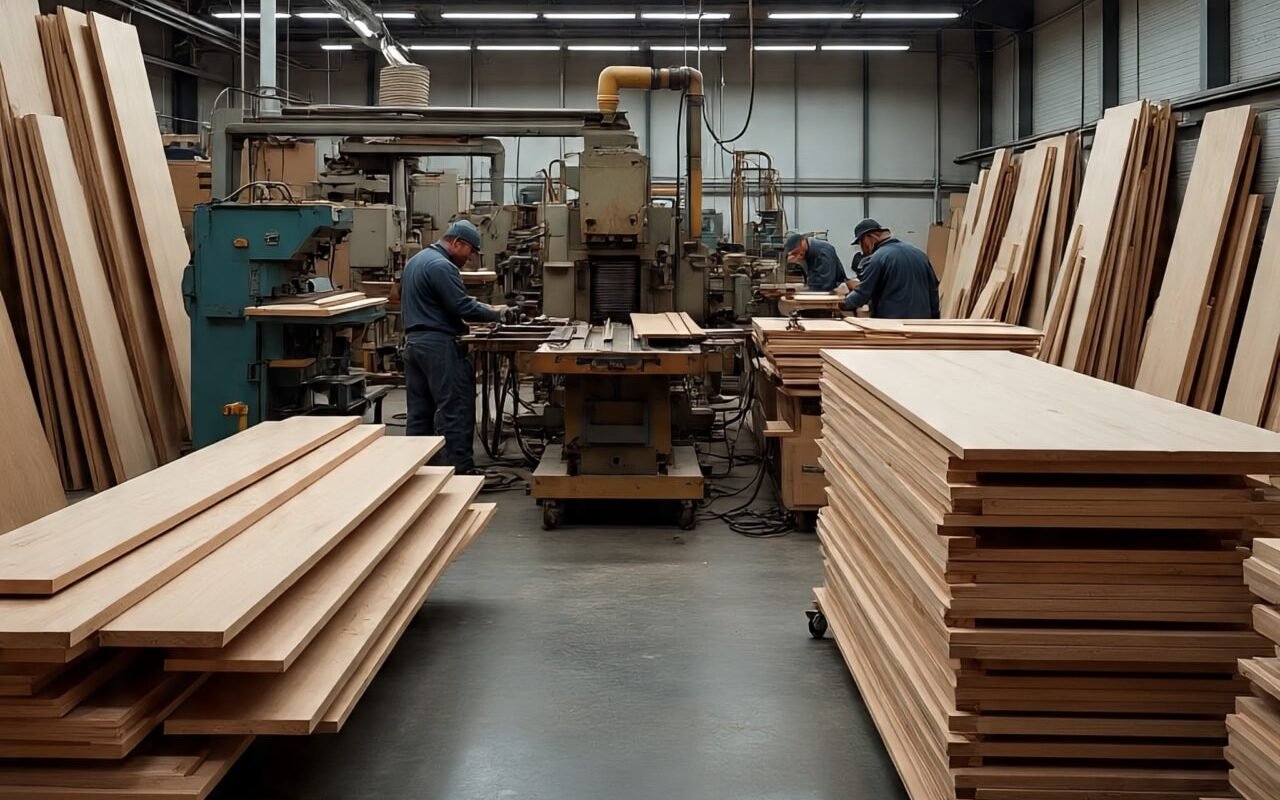
Woodworking and Furniture Manufacturing
Businesses engaged in woodworking, carpentry, and furniture manufacturing must obtain an industrial license. This includes the production of wooden furniture, fixtures, and custom carpentry work.
What is an Industrial License in Dubai?
An industrial license in Dubai is essential for businesses involved in manufacturing, production, or processing goods. Issued by the Department of Economic Development (DED), it grants legal permission to convert raw materials into finished products while ensuring compliance with local regulations and standards. This license covers activities such as production, segregation, accumulation, and packaging, making it necessary for operations in textile manufacturing, metal casting, food production, and other industrial processes.
Procurement of an industrial permit requires having a physical warehouse within the UAE, highlighting the need for a tangible presence to facilitate regulation and oversight. Businesses must also secure approvals from various authorities like Dubai municipality, to ensure regulatory compliance. Next, we will outline the steps involved in applying for UAE industrial license.
Steps to register a Company in DAFZA
Obtain Additional Approvals
After submitting your application, you may need to obtain additional approvals from various bodies. These can include:
- The Dubai Chamber of Commerce and Industry
- The Industrial Register
- The Ministry of Health
- The Ministry of Environment and Water
- Other relevant agencies based on the nature of your business
Prepare and Submit Your Application
Once you have obtained the necessary initial approvals, the next step is to prepare your application. This involves compiling all required documents, including a detailed business plan, feasibility study, and proof of physical premises. Submit your application to the DED if you are setting up an industrial unit on the Dubai mainland or to the relevant free zone authority if you are establishing your business in a free zone.
Engage a Business Licensing Expert
The first step is to engage a business formation specialist or a business licensing expert. These professionals can guide you through the entire process, ensuring that your application is complete and accurate. This step reduces the stress of starting a business and increases the chances of your application being approved.
Secure Initial Approvals from Authorities
Before you can apply for an industrial license in the UAE, you must secure initial approvals from authorities. This includes approval from the Dubai Department of Economic Development (DED) and other specific government bodies related to your industrial activities. If you plan to set up in a free zone, the authority there will handle these approvals
Manage Your Visa Applications
Concurrently with your application, you need to apply for UAE visas for yourself and any employees. This step can often be managed alongside the license application process. If you are working with a business consultant, they can handle visa applications on your behalf. Additionally, you can sponsor visas for family members, such as your spouse, children, or parents.
Finalize Your Approval and Issuance
Once all approvals are in place, the DED or relevant authority will review your application. The processing time typically takes around three months. After a thorough review, you will receive a notification of approval. The final step involves receiving your Dubai industrial license, allowing you to legally commence your manufacturing or industrial operations in Dubai.
Set Up Your Operations and Ensure Compliance
With your industrial license in hand, you can start setting up your industrial operations. Ensure that you comply with all regulatory requirements and maintain regular communication with the authorities to keep your license in good standing.
How to Apply For an Industrial License in Dubai?
The process of obtaining an industrial license involves several structured steps. Understanding these steps can help streamline the process, ensuring that your application is thorough and meets all regulatory requirements. Here is a detailed breakdown of the steps involved:
Quick License & Visa Approval
Legal Compliance and Credibility
Favorable Business Environment
Financial Interventions and Services
Access to Advanced Infrastructure
Engineering and Building Materials
Networking and Collaboration
Government Incentives and Support
Access to Skilled Workforce
Operational Flexibility
Strategic Geographical Location
Enhanced Market Opportunities
Priority in Government Procurement
Types of Legal Entities in DAFZA
Only two types of legal entities are allowed to establish their operations in the Dubai free zone, which includes
Free Zone Company (FZCO)
Free Zone Company (FZCO)
Branch Office of Existing Company
Branch Office of Existing Company
Key Considerations for Industrial Traders
Business Plan:
A detailed business plan document outlining your industrial activities, goals, production processes, and financial projections.
Feasibility Study:
A feasibility study document demonstrating the viability of your industrial project, including market analysis, technical feasibility, financial feasibility, and risk assessment.
Detailed Project Report:
A comprehensive document on the proposed factory or industrial setup. This should include the layout, design, production capacity, and detailed descriptions of machinery and equipment to be used.
Proof of Physical Premises:
Documentation providing details of your physical warehouse or industrial space in Dubai, including lease agreements, property ownership documents, or rental contracts. Virtual offices are not permitted for local industrial licenses, making this a critical requirement.
Copy of Trade License:
If applicable, provide a copy of your existing trade license. This is particularly relevant if you are modifying an existing industrial operation or expanding your business activities.
Partnership Agreement:
For partnership firms, a copy of the partnership contract is required. This document should outline the roles, responsibilities, and shares of each partner involved in the business.
Passports and Residency Visas:
Copies of the passports and UAE residency visas of the business owners and key stakeholders. This includes non-citizens who are part of the company.
Balance Sheet:
A copy of your company’s balance sheet, showcasing the financial health and stability of your business.
National Media Council Approval:
Approval from the National Media Council if your industrial operations involve media or publishing-related products.
Copy of Passport and UAE Residency Visa:
Required for the business owners and stakeholders (non-citizens).
Ministry of Health Approval:
Approval from the Health Ministry if your industrial operations involve pharmaceuticals, medical equipment, or any health-related products.
Approval from the Ministry of Environment and Water:
Approval from the Ministry of Environment and Water to ensure that your industrial operations comply with environmental regulations and sustainability practices.
Approval from the Ministry of Interior:
Depending on the nature of your business, you may need approval from the Ministry of Interior, particularly if your operations have security implications.
Industrial
Registration and approval from the Industrial Register, a crucial step in legalizing your industrial operations and ensuring compliance with local regulations.
Additional Sector-Specific Approvals:
Depending on your specific industry, you may require additional sector-specific approvals. For instance, food production businesses might need approvals from food safety authorities, while chemical manufacturers may need clearance from relevant environmental bodies.
Types of Free Zone Business Licenses
The companies operating in DAFZA follow the same rules and regulations for licenses as Free Zone. There are 4 types of available licenses, with the option to hold dual licenses as well depending on the nature of the business and its requirements.
Trade License
This is offered to those companies which are looking to deal in import, exports, distribution and storage of products.
Service License
This type enables companies to provide their services to the masses.or.
Industrial License
Companies which want to carry light manufacturing industrial activities, which includes packaging and assembling as well
General Trading License
If your company qualifies for more than two types of licenses then they are eligible for this type of license
Industrial License in Dubai
Leaders HUB is renowned as one of the top business setup consultants in Dubai, with over 15 years of experience facilitating a wide range of businesses throughout the UAE. Our deep connections with government officials and key authorities, combined with our extensive expertise in consultancy, streamline the process of establishing your business in Dubai. Additionally, we offer comprehensive financial, legal, and corporate services to support our clients throughout their business endeavors.
We are here to provide comprehensive support for your Industrial License in Dubai, from preparing your documents to completing the process. Connect with us now to begin your journey with a FREE consultation!